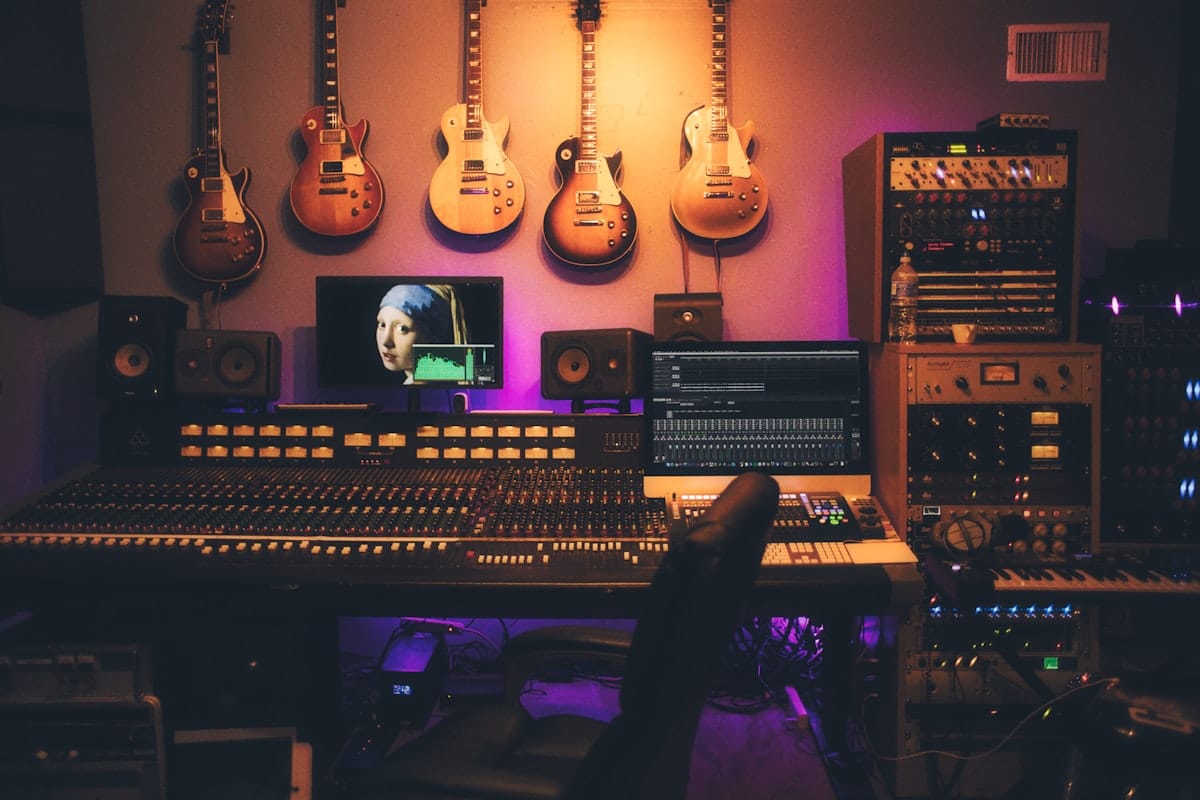
To make Kompa Gouyad beats that sound professional, lock your tempo between 75 and 95 BPM, build the groove around a tanbou-style drum pattern, keep the bass melodic and rounded, and leave space for the guitar skank. Kompa is Haiti’s heartbeat, and Gouyad is its slow-wind evolution — here is how producers get that polished, radio-ready sound.
Understand the Gouyad Pocket
Gouyad (from Creole “gouye”, to wind) is defined by restraint. Where Bouyon attacks, Kompa seduces. The drums sit slightly behind the beat, the bass sings more than it thumps, and every element leaves room for the dancers.
Before you open your DAW, listen to how the classics manage energy: tension comes from what is left out.
Building the Drum Foundation
The kick and the “tak”
Program a steady kick with a soft attack, then place the signature rim/woodblock “tak” pattern around it. This kick-and-tak conversation is the skeleton of every Kompa groove.
Hi-hats and shakers
Keep hats light and slightly swung. A shaker loop at low volume adds motion without stealing the pocket.
The gong and tom fills
Gouyad transitions live on melodic tom fills. Use them to mark 8-bar phrases instead of risers — it keeps the track organic.
Bass, Guitar and Keys
The Kompa bass is a melody instrument: think walking lines with a warm, round tone, never a distorted 808. Over it, the guitar skank plays off-beats with clockwork consistency, and keys or horns answer the vocal. Mix the guitar bright but thin, so it never masks the voice.
Arrangement and Mix Tips
Professional Kompa arrangements evolve every 16 bars: add a horn stab, drop the hats, flip the keys an octave. In the mix, carve 200-400 Hz so the bass and kick stay clean, and glue the drum bus with light compression.
Reference your mix against a released Gouyad track at the same loudness before you call it done.
Your drum selection decides half the fight. The Kompa God Drumkit Vol.1 gives you 650 WAV samples voiced for exactly this style — kicks, taks, gongs, shakers and fills that already sit right in the pocket. New to the genre’s history? Start with our complete guide to Haitian Kompa.
FAQ
What tempo should Kompa Gouyad beats be?
Most Gouyad productions sit between 75 and 95 BPM. That mid-tempo pocket is what gives the dance its slow-wind feel — going faster usually kills the sensuality that defines the style.
What makes a Kompa beat sound professional?
Three things: a clean tanbou-inspired drum groove that never fights the bass, warm melodic layers (guitar skanks, keys, horns) mixed around the vocal space, and disciplined arrangement — Kompa breathes, it does not clutter.
Do I need to play guitar to produce Kompa?
No, but the guitar skank is central to the genre. You can use sampled or MIDI guitar; what matters is the off-beat placement and a light, consistent velocity.
Can I mix Kompa with R&B or Afrobeats?
Absolutely — modern artists blend Gouyad with R&B chords and Afro drums constantly. Keep the core Kompa drum pattern intact and the fusion will still make dancers move.
Take one groove, refine it for a week, and you will hear the difference between a beat that plays and a beat that winds.
{“@context”:”https://schema.org”,”@type”:”FAQPage”,”mainEntity”:[{“@type”:”Question”,”name”:”What tempo should Kompa Gouyad beats be?”,”acceptedAnswer”:{“@type”:”Answer”,”text”:”Most Gouyad productions sit between 75 and 95 BPM. That mid-tempo pocket is what gives the dance its slow-wind feel — going faster usually kills the sensuality that defines the style.”}},{“@type”:”Question”,”name”:”What makes a Kompa beat sound professional?”,”acceptedAnswer”:{“@type”:”Answer”,”text”:”Three things: a clean tanbou-inspired drum groove that never fights the bass, warm melodic layers (guitar skanks, keys, horns) mixed around the vocal space, and disciplined arrangement — Kompa breathes, it does not clutter.”}},{“@type”:”Question”,”name”:”Do I need to play guitar to produce Kompa?”,”acceptedAnswer”:{“@type”:”Answer”,”text”:”No, but the guitar skank is central to the genre. You can use sampled or MIDI guitar; what matters is the off-beat placement and a light, consistent velocity.”}},{“@type”:”Question”,”name”:”Can I mix Kompa with R&B or Afrobeats?”,”acceptedAnswer”:{“@type”:”Answer”,”text”:”Absolutely — modern artists blend Gouyad with R&B chords and Afro drums constantly. Keep the core Kompa drum pattern intact and the fusion will still make dancers move.”}}]}