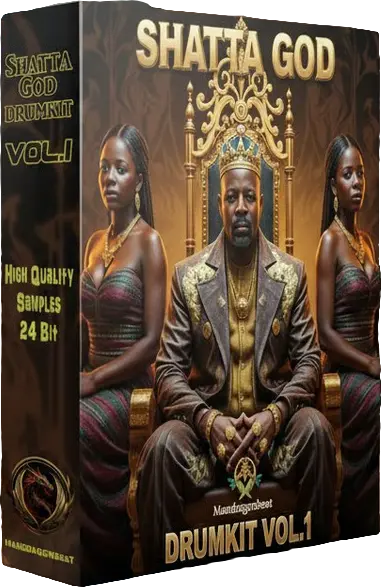
Shatta is the sound of Dancehall’s next generation because it kept the genre’s rhythmic skeleton and rebuilt everything else for the modern club: harder drums, darker minimalism, and the unfiltered energy of the French Antilles. Here is why producers, DJs and playlists keep gravitating toward it.
Dancehall’s DNA, Antillean Blood
Dancehall conquered the world from Jamaica, but genres stay alive by mutating. In Martinique and Guadeloupe, a generation raised on Dancehall, Bouyon and Zouk started building riddims that spoke their own dialect: French Creole vocals, Bouyon’s relentless drive, and drum design borrowed from bass music. The result — Shatta — feels familiar to any Dancehall fan yet unmistakably new.
What Actually Changed
The drums got meaner
Where classic Dancehall riddims ride clean drum machine sounds, Shatta saturates everything: kicks that clip, snares that slap, rims that cut through festival PA systems. The 3+3+2 kick subdivision became a signature weapon.
The arrangements got emptier
Shatta strips riddims to drums, one dark melodic cell and the voice. That minimalism is strategic — it leaves maximum room for the vocalist and maximum impact for every drop.
The culture stayed local-first
Shatta grew through Carnival, sound systems and diaspora clubs in Paris rather than through majors. That grassroots circuit gave it authenticity money cannot fake — and streaming eventually followed the dancers.
Why the Next Generation Chose It
Young Antillean artists needed a sound that was theirs, not borrowed. Shatta answers with local language, local tempo culture and production values that compete with any global club genre. For DJs it mixes seamlessly with Dancehall, Afrobeats and Bouyon; for producers it offers a lane where new names can still define the sound.
Producing It Yourself
Start with our Shatta Riddim 101 for the five essential drum sounds, and build with the Shatta God Drumkit Vol.1 — 62 hand-picked, royalty-free WAV sounds carrying exactly the aggression this genre demands.
FAQ
Where did Shatta music come from?
Shatta emerged in the French Antilles — Martinique and Guadeloupe — in the 2010s, when producers pushed Dancehall’s framework through Bouyon energy and modern electronic sound design.
Is Shatta the same as Dancehall?
No. Shatta descends from Dancehall but hits harder: more saturated drums, more minimal arrangements, and French Creole vocal culture. Think of it as Dancehall’s club-focused Antillean child.
Which artists made Shatta popular?
The Martinique and Guadeloupe club scenes built Shatta collectively, with producers and sound systems pushing riddims through Carnival and diaspora parties in Paris — a movement more than a single star.
What do I need to start producing Shatta?
A DAW, an understanding of the 3+3+2 kick subdivision, and drums with real aggression. A dedicated kit like Shatta God Vol.1 covers the sound palette in one download.
Every genre has a moment when the next generation takes the wheel. For Dancehall’s Antillean children, that moment sounds like Shatta.