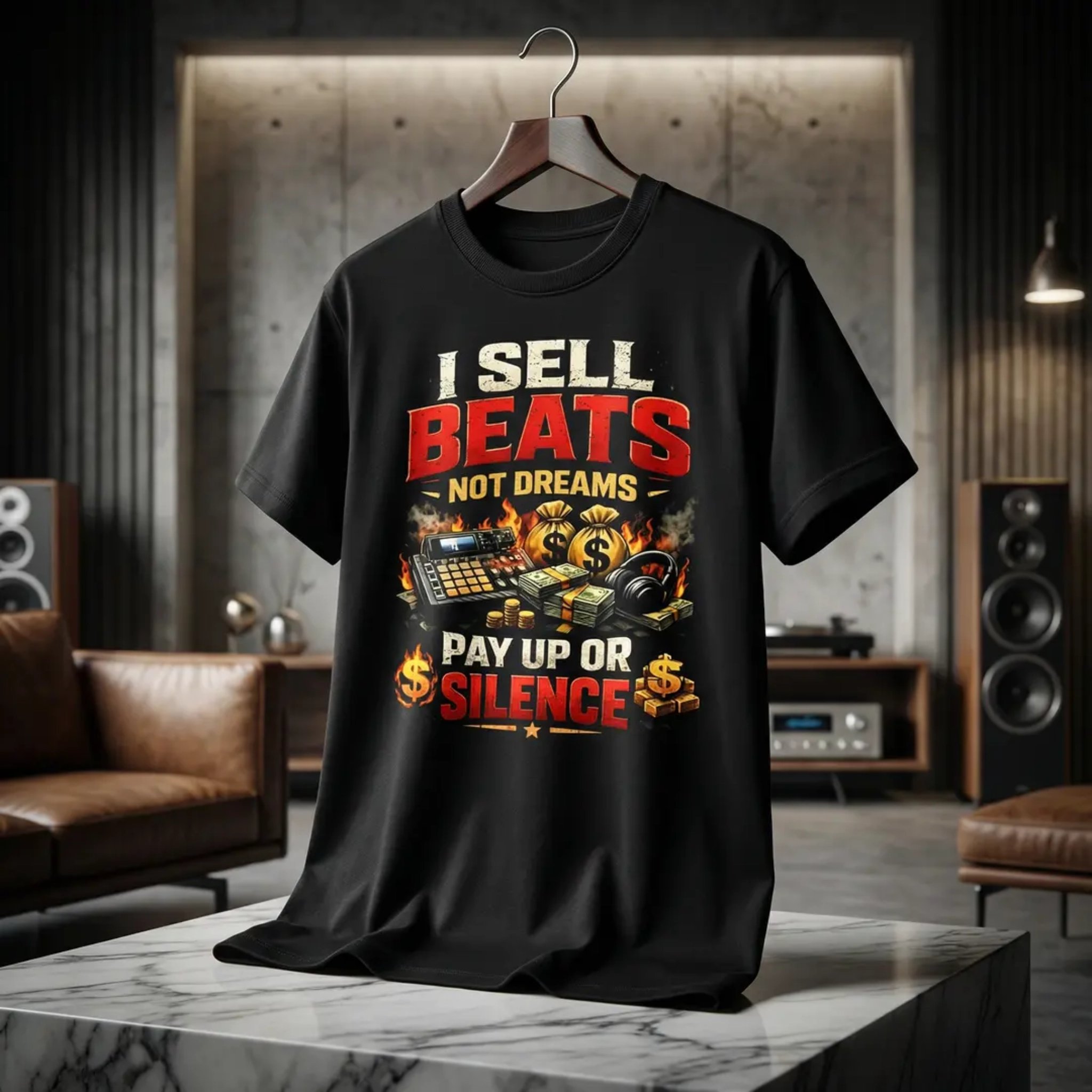
Caribbean street fashion is one of the most creatively rich and least documented aesthetics in global urban culture. Born from the intersection of island tradition, diaspora experience, and the restless creativity of communities that have always had to innovate from limited resources, it carries an energy and an authenticity that mainstream fashion has been borrowing from for decades without ever fully crediting the source. For beatmakers in the Caribbean music world, this aesthetic is not just a visual preference — it is a statement of identity, a visual language that communicates who they are and where their sound comes from before they play a single note.

The Roots of Caribbean Urban Aesthetics
Caribbean street fashion is not a single aesthetic — it is a constellation of related visual languages that share certain core characteristics while differing across islands, generations, and musical traditions. Understanding those roots is the foundation for understanding how contemporary Caribbean beatmakers express themselves visually.
The French Antilles — Martinique and Guadeloupe — have historically blended French metropolitan fashion sensibility with Caribbean vibrancy, producing an aesthetic that is simultaneously sophisticated and deeply tropical. Colour plays a central role: the rich blues of the Caribbean Sea, the warm yellows and oranges of tropical produce and carnival, the deep greens of island vegetation. These colours appear in the clothing of Antillean communities whether they are on the island or in the diaspora, carrying the landscape of home in the fabric.
Haiti brings its own dimension to Caribbean urban aesthetics — a tradition of creative ingenuity born from necessity and a cultural pride that expresses itself through deliberate, often elaborate personal presentation. Haitian street style combines high-contrast colours, bold graphics, and a layering sensibility that reflects the Caribbean climate while showing off the creative range of the wearer.
The Eastern Caribbean — Dominica, St. Lucia, Antigua, St. Vincent — brings the influence of carnival culture, which has always functioned as a space for maximum self-expression and creative freedom. The boldness, the colour intensity, and the theatrical quality of carnival aesthetics permeate the everyday street style of Eastern Caribbean communities in ways that make their visual culture immediately distinct.
The Beatmaker Aesthetic: Where Music and Fashion Intersect
Within Caribbean urban fashion, the beatmaker and music producer community has developed its own specific aesthetic that synthesises influences from the broader culture while reflecting the particular creative identity of people who make music professionally.
Quality basics are the foundation. Caribbean producers who take their craft seriously tend to invest in clean, well-fitted base layers — not because they are trying to look expensive, but because they understand that quality signals intention. The same care they bring to their sample selection and their mix decisions extends to what they wear.
Graphic tees and hoodies serve as cultural calling cards. A Caribbean producer wearing a tee that references their specific genre — Kompa, Bouyon, Shatta — is making a statement about their musical identity that is immediately legible to anyone in the community. These graphics function as a kind of musical shorthand, conveying affiliation, expertise, and pride in a single visual image.
Headwear is particularly significant in Caribbean music producer culture. From the snapback caps of the 2000s to the more varied headwear of today — beanies, bucket hats, dad caps — headwear with graphic identity has been a consistent element of the Caribbean beatmaker aesthetic. It is the piece that is most visible in photos and videos, making it one of the most powerful brand-building elements in a producer’s wardrobe.
Footwear matters deeply. Caribbean producers invest in their footwear — not for ostentatious display but because clean, quality footwear is a universal signal of personal standards. The specific style varies by generation and sub-community, but the principle is consistent: your footwear should match the care you put into everything else.
Represent Your Sound — Beats Seller Collection
Your music has a sound. Your brand has a look. And now, your wardrobe can carry both.
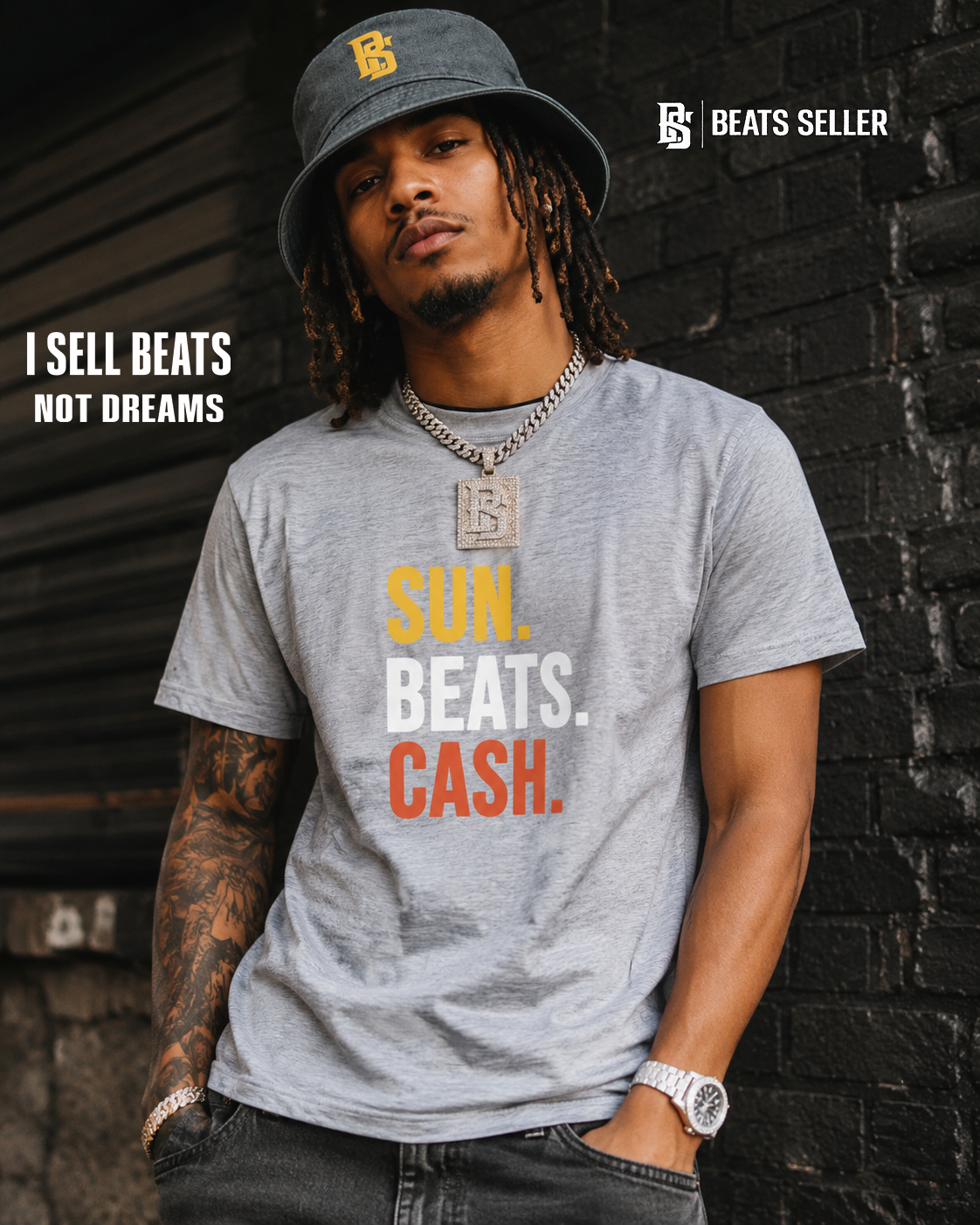
Beats Seller is the official merch collection from the Mandragonbeat universe — apparel and accessories designed for music producers, beatmakers, and Caribbean music lovers who want to wear their identity as loudly as they play it. T-shirts, hoodies, caps, and accessories built around the aesthetic of Caribbean music production: bold graphics, cultural references, and the kind of clean, wearable design that looks as good in the studio as it does on stage or on your content feed.
Whether you are performing, shooting content, or simply living your producer life, Beats Seller gives you the visual identity to match your sound. Follow @mandragonbeat on Instagram and @mandragonbeat on TikTok to see the collection in action.
🛍️ Shop the Beats Seller collection and represent your sound.
How the Diaspora Shapes Caribbean Street Fashion
Much of what we call Caribbean street fashion today was shaped not on the islands themselves but in the diaspora communities of Paris, Fort-de-France, London, Miami, Montréal, and New York. These communities sit at the intersection of Caribbean tradition and metropolitan urban culture, and the resulting aesthetic synthesis is often more dynamic than either of its sources alone.
In Paris, Antillean producers have developed a visual style that layers French streetwear aesthetics — the clean lines, the neutral palettes, the quality-first approach of Parisian fashion culture — with Caribbean colour, graphic, and cultural references. The result is an aesthetic that feels simultaneously European and deeply Caribbean: cosmopolitan and rooted at the same time.
In Montréal, the Haitian community has built one of the most vibrant Caribbean creative cultures outside the Caribbean itself, and its fashion sensibility reflects that creative energy. Montréal Haitian style draws from the city’s winter climate (necessitating quality outerwear as a fashion statement rather than just a practical one) while maintaining the colour palette and graphic sensibility of Haitian aesthetics.
In Miami, the proximity to the Caribbean and the layered Latin and Caribbean influences of South Florida have produced a street fashion culture that is arguably the most Caribbean-influenced in North America — exuberant, colour-positive, and deeply connected to the music that drives it.
FAQ — Caribbean Street Fashion
Q: What defines Caribbean street fashion?
A: Caribbean street fashion is defined by several consistent elements: bold, culturally referential colour palettes drawn from island landscapes and carnival traditions; graphic elements that reference musical genres, cultural heritage, and community identity; quality basics elevated by specific statement pieces; and headwear with cultural or brand significance. It is an aesthetic that synthesises urban fashion influences with distinctly Caribbean cultural references, resulting in a look that is simultaneously cosmopolitan and deeply rooted.
Q: How do Caribbean beatmakers dress differently from other producers?
A: Caribbean beatmakers tend to incorporate more explicit cultural references into their style — genre-specific graphics, island colour palettes, cultural symbols — than producers from other traditions. This reflects a conscious pride in representing a musical culture that is underrepresented in mainstream music producer aesthetics. There is also often a strong community dimension to how Caribbean producers dress: wearing merch that signals genre affiliation is a way of being recognisable to and supportive of other producers in the same cultural community.
Q: Where can I find Caribbean music-themed streetwear?
A: The Beats Seller collection is specifically designed for Caribbean music creators and offers apparel and accessories that represent Caribbean music culture. Beyond dedicated collections like Beats Seller, Caribbean music events, diaspora community markets, and independent Caribbean designers (found through Instagram and TikTok) are good sources of culturally specific streetwear that goes beyond generic tropical aesthetics.
Conclusion: Wear Your Culture, Represent Your Sound
Caribbean street fashion is not decoration — it is communication. It tells the world where you come from, what you create, and what you stand for as an artist and a cultural representative. For Caribbean beatmakers, developing a deliberate visual identity is one of the most powerful brand-building tools available.
🛍️ Represent your sound with the Beats Seller collection — Caribbean music culture, worn with pride.
🥁 Build your sound: Download the free Caribbean drum kit and start producing authentic Caribbean music today. Also explore our complete Haitian Kompa music guide and what is Gouyad dance.